


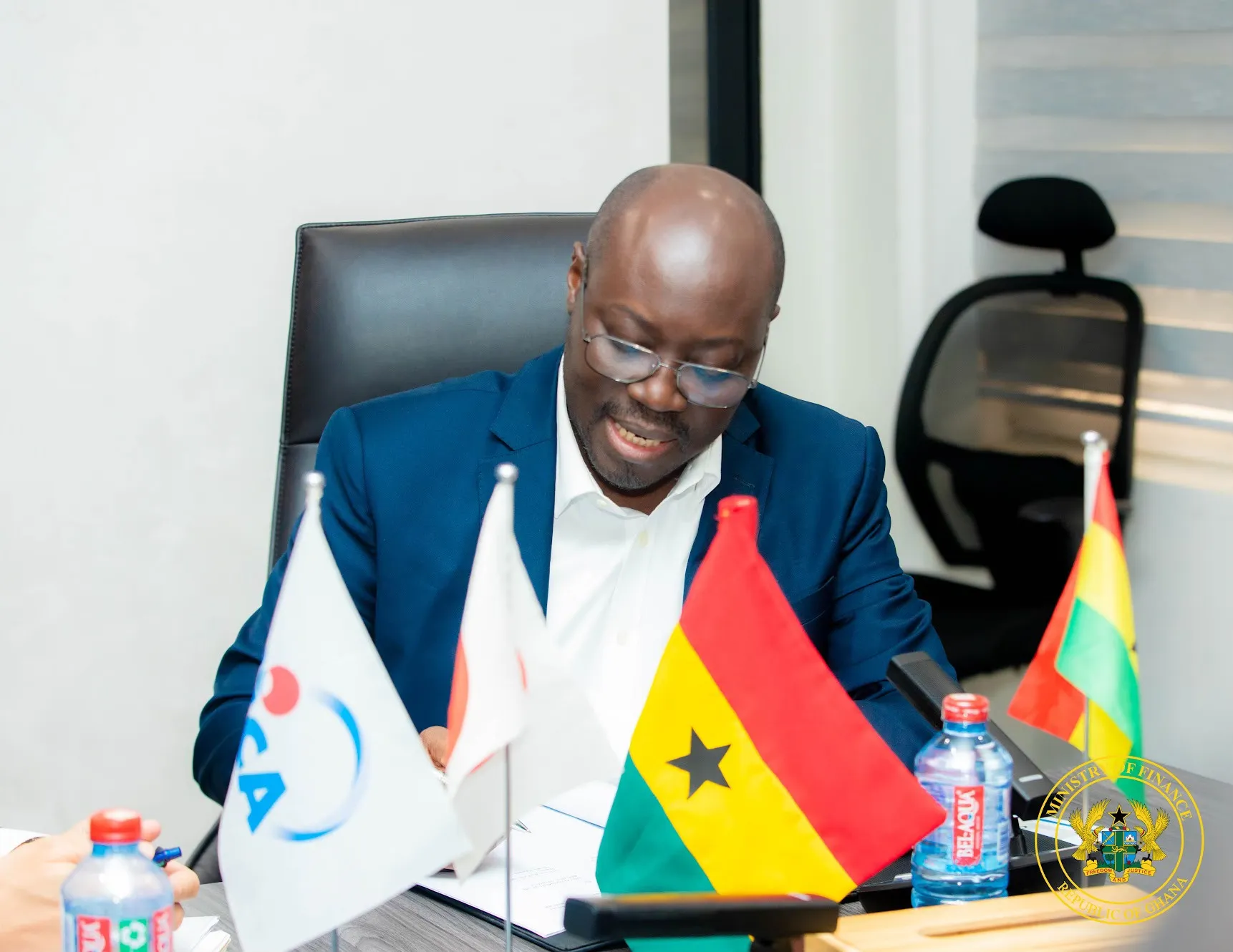
The emergency Cabinet meeting addressed the challenges stemming from decades of mismanagement, which have left the board heavily indebted.
“Cabinet has directed that the legacy debt of approximately 5.8 billion Ghana cedis be converted to the Ministry of Finance and the Bank of Ghana,” Forson said.
“This includes 3.7 billion cedis owed to the Ministry and 1.38 billion cedis owed to the Bank of Ghana under a ten-year loan.”
Forson emphasized that the conversion will strengthen the cocoa board’s balance sheet, restore positive equity, and enhance both local and international market confidence.
“This will enable the board to implement a new financing model and the sector reforms immediately,” he said.
The minister explained that the previous financing model, which relied heavily on buyer pre-financing and forward contracts, had failed to sustain operations and limited opportunities for local processing.
The new model will allow Ghana to sell cocoa domestically, utilize cocoa bonds to finance operations, and revitalize indigenous licensed buying companies.
“This approach addresses both the inherited debt and the structural inefficiencies that have hindered the sector’s growth,” Forson said.
He added that these reforms are aimed at guaranteeing fair prices for cocoa farmers, ensuring long-term sustainability, and securing the financial viability of the cocoa industry.
